Quality Control

Our quality policy is simple: customer-first, data-driven, and test-based. We run a closed-loop quality control system from incoming materials to finished products, ensuring consistent cooling performance, reliable sealing, and long-term durability.

We inspect all key raw materials and purchased components before they go into production — checking material specs, dimensions, surface condition, and batch consistency. This keeps potential quality issues out of our production line.

At the finished product stage, we do full or sampling inspections based on product standards and customer requirements. We check appearance, assembly fit, and run performance tests, including sealing, pressure resistance, and leakage tests (depending on the product and your needs). Any non-conforming items are identified, pulled aside, and traced back to the root cause. This way, every batch we ship is traceable and verifiable.

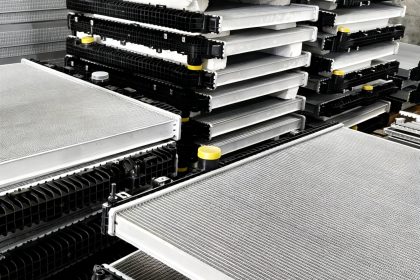
alumium raw material for truck vehicle radiator intercooler

1. Raw Material Inspection

Strict inspection of incoming materials ensures reliable quality from the source.

2. Standardized Production

Controlled production processes guarantee consistency across every batch.

3. Production Capacity

Monthly capacity reaches 3,000 units, supporting stable delivery for bulk orders with flexible scalability during peak seasons.

4. Abundant Stock & Spare Parts

We maintain large inventories of core components and common models, ensuring fast response to urgent orders to minimize your downtime.

Process Control

To ensure process stability, we implement standardized operations and process inspection point management throughout the entire production process, moving quality control forward to critical technological stages. Before production, we complete drawing reviews, process evaluations, and key parameter settings, clearly defining the quality control points for each process. During production, we set up first-piece verification, process inspections, and key parameter checks based on process characteristics, focusing on controlling process steps that significantly impact structural strength and sealing, such as welding, tube expansion, and assembly.

Simultaneously, we have established a defective product handling and corrective/prevention mechanism to isolate, analyze, and correct abnormal batches, preventing recurrence. For example,we conduct on-site visits or other means to retrieve problematic product samples for analysis, ensure proper handling, and prevent similar issues from recurring. 

models